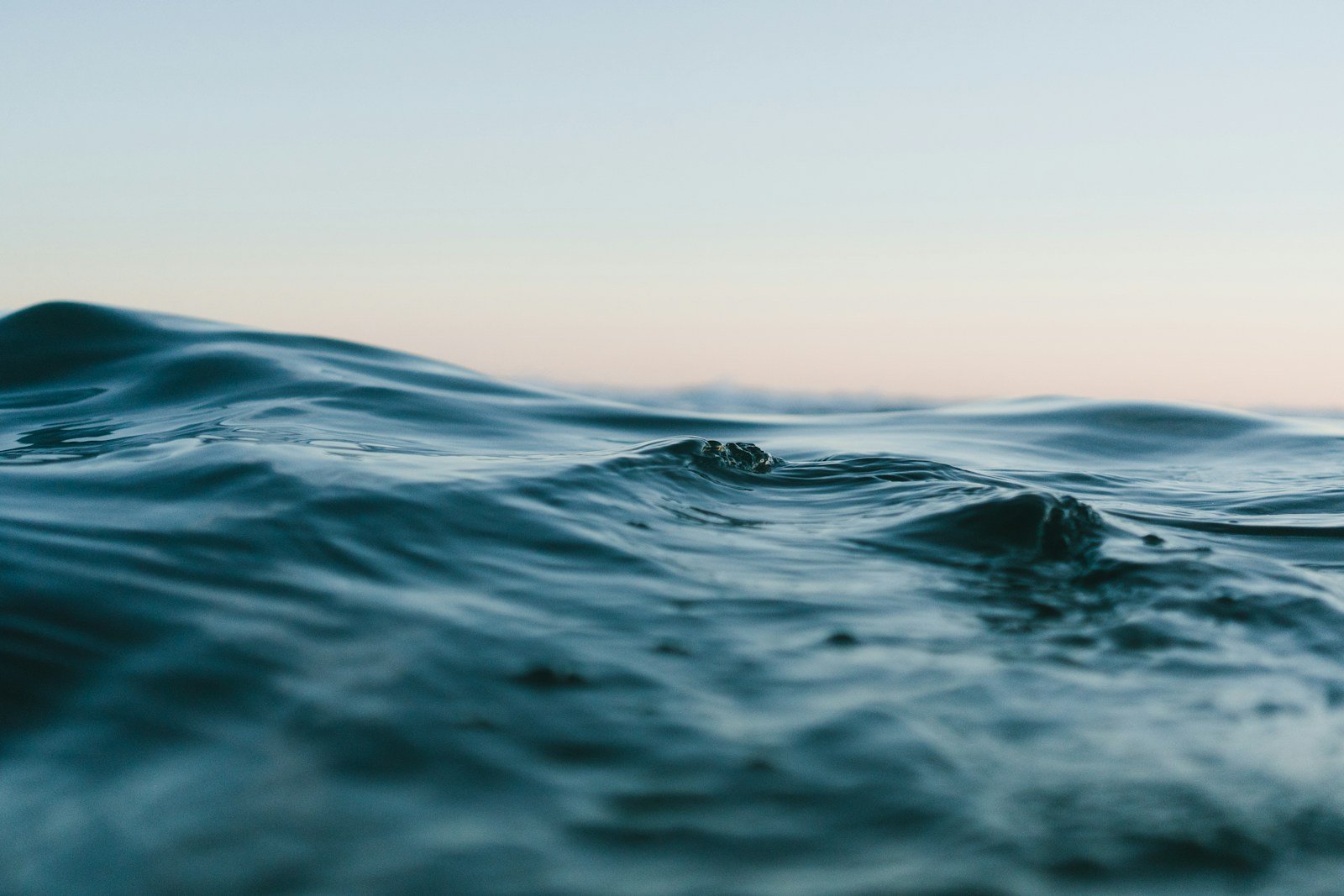
Watch the waves for a few minutes before choosing your frame. Their movement creates repeating shapes that change with every moment.
Leave space around the strongest detail. A quieter composition gives the eye a place to settle.
Use the photograph as the beginning of a short note. Describe what you noticed, without needing to explain everything.
Watch before deciding on a frame
Water rarely holds the same shape for long. Spend a few minutes watching the rhythm of the waves and the point where they meet the horizon. Notice which part of the scene feels calm and which feels active. That contrast can guide the composition. A low viewpoint brings texture into the foreground, while a higher one gives more space to the changing pattern of light across the surface.
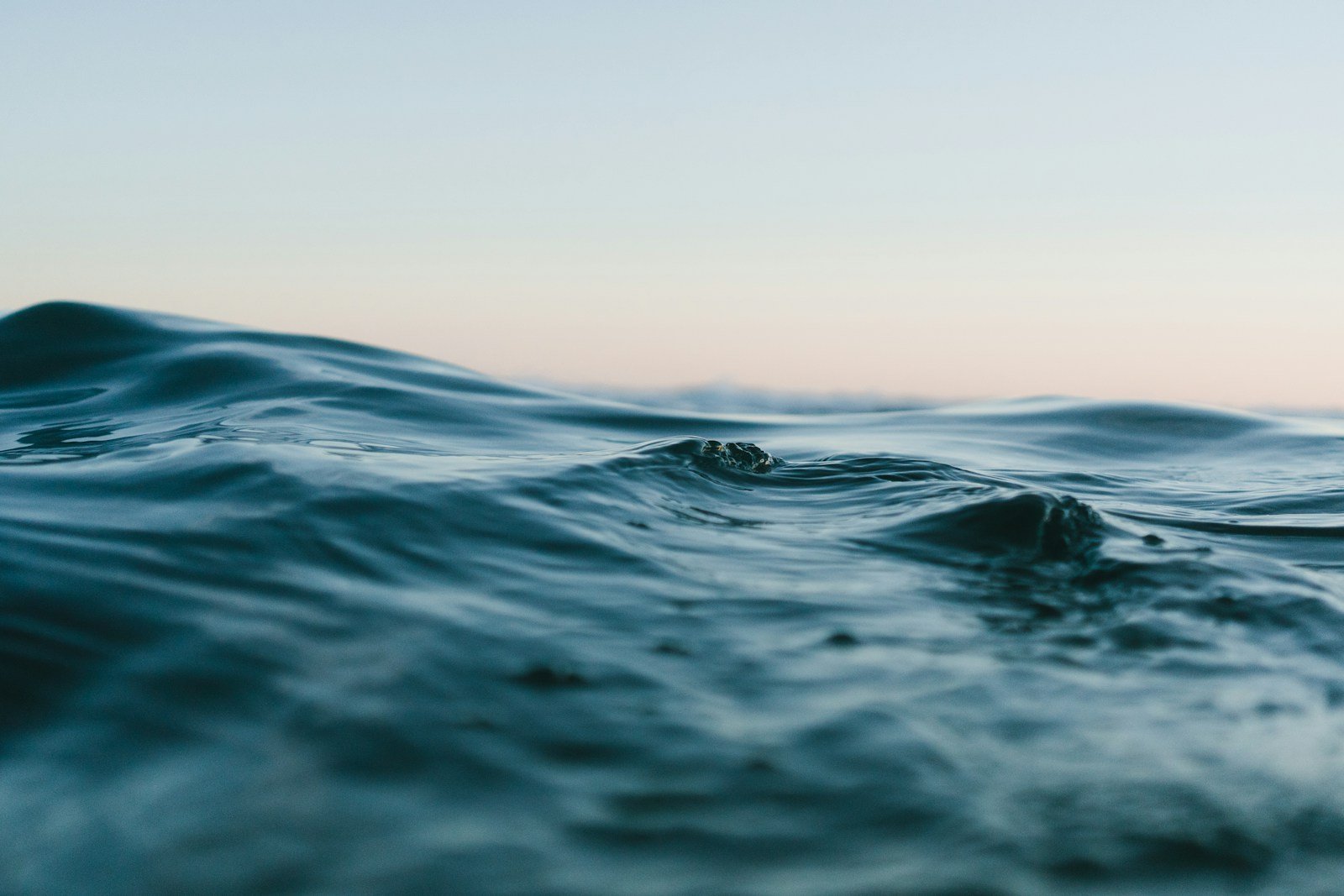
Use negative space deliberately
An open sky or a quiet area of water can help a photograph feel less crowded. Place the strongest detail where it has room around it and compare several versions of the horizon. The aim is not to follow a rule mechanically. It is to make the relationship between elements easier to read. Keep the frame simple enough that the viewer can understand what held your attention in the first place.
Watch before deciding on a frame.
Write the mood into your journal
After choosing an image, add a short note about the moment. Perhaps the wind was stronger than the picture suggests, or the light changed just after you pressed the shutter. A few words can preserve the experience without explaining away the photograph. Return to the sequence later and notice what still feels vivid. The images that remain interesting often carry a clear observation rather than an impressive subject.