A pared-back landscape encourages a different kind of attention. The shape of a dune or the edge of a shadow can become the whole composition.
Let the setting guide the palette of your travel journal. A few warm tones and simple photographs can tell a coherent visual story.
Write down one detail you would otherwise forget. Texture and atmosphere often stay with us longer than a list of stops.
Read the landscape through shape
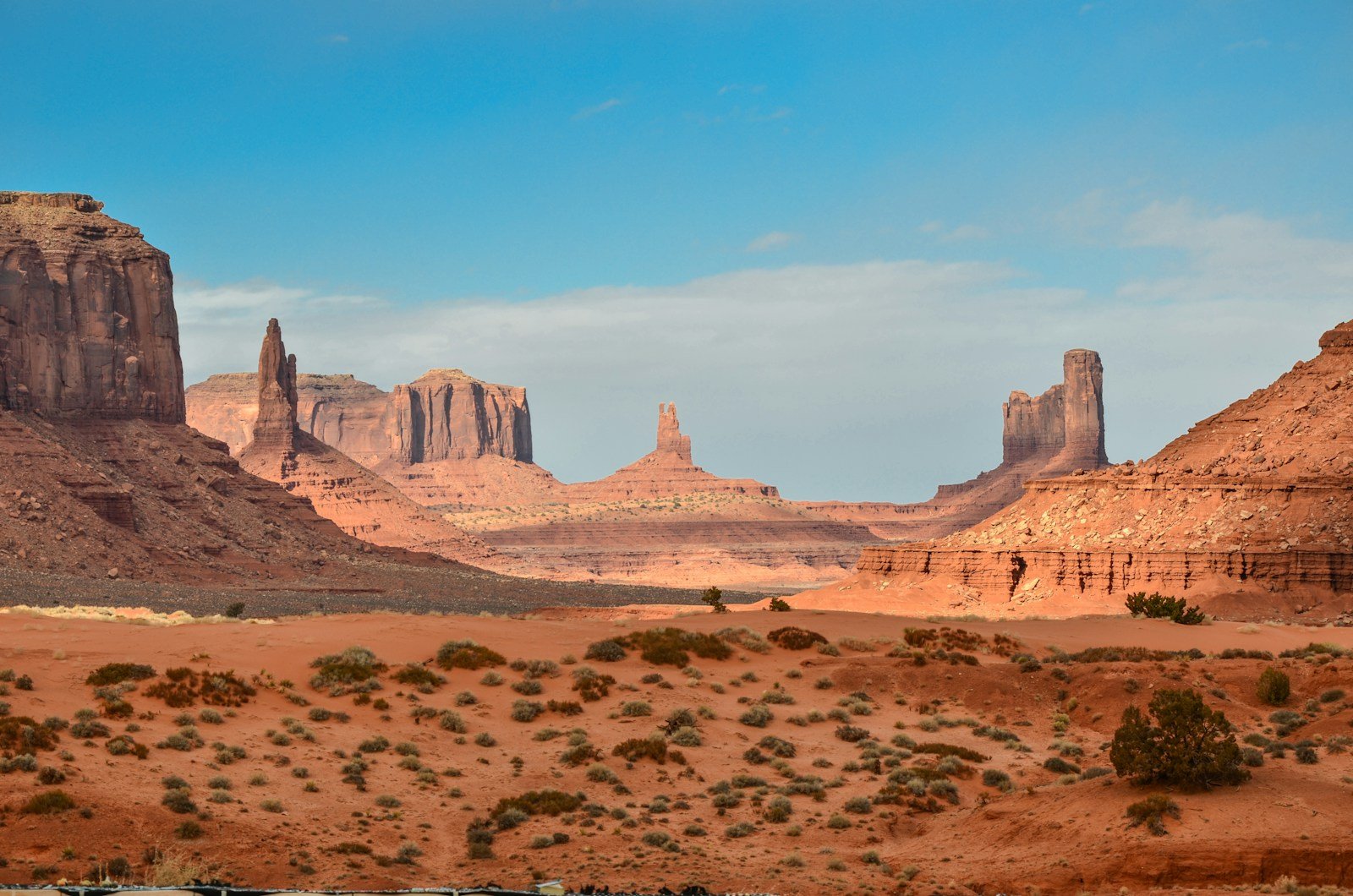
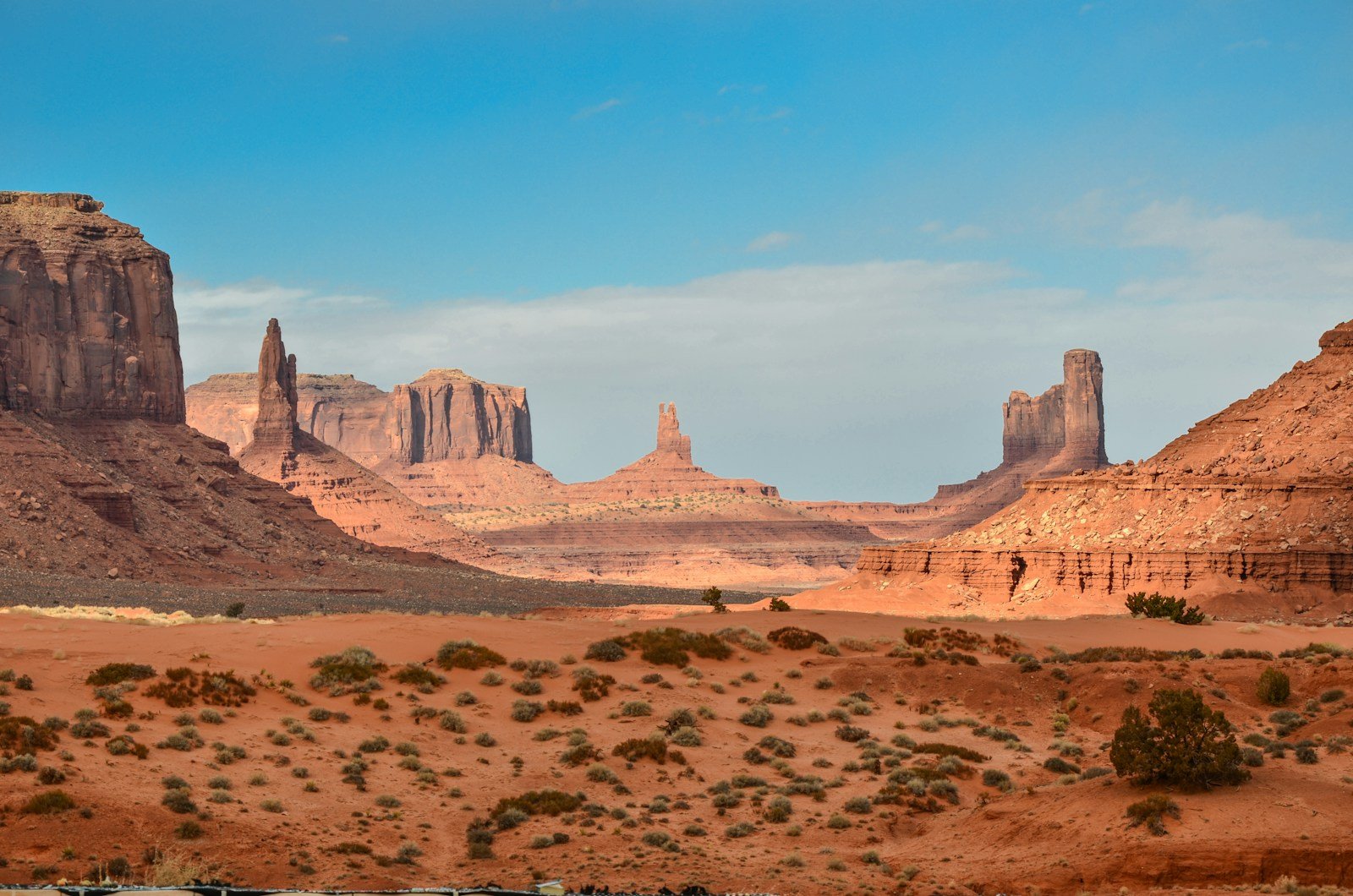
An open desert landscape asks you to notice the relationship between a few elements. Follow the curve of a dune, the edge of a shadow and the point where sand meets sky. A restrained composition can feel complete without a strong subject in the centre. Begin with a wide view, then choose a smaller area to study. Repeating this process helps you see how light changes the same setting.
Collect colour and texture
A travel journal can record more than locations. Make a small palette from the warm sand, pale sky and darker stones you notice along the way. Add photographs of texture beside the wider views. A sentence about the wind or the scale of the landscape gives context that an image cannot provide alone. Keep the journal informal enough that you can add to it at the end of each day.
Read the landscape through shape.
Give the journey breathing room
Plan travel with realistic distances and local conditions in mind. Leave space between activities so that an interesting stop does not become a reason to rush later. Carry the essentials appropriate to the route and follow local guidance. The pleasure of an open landscape comes partly from slowing down. A shorter itinerary can create a richer memory when it allows you to experience a place beyond its most photographed viewpoint.