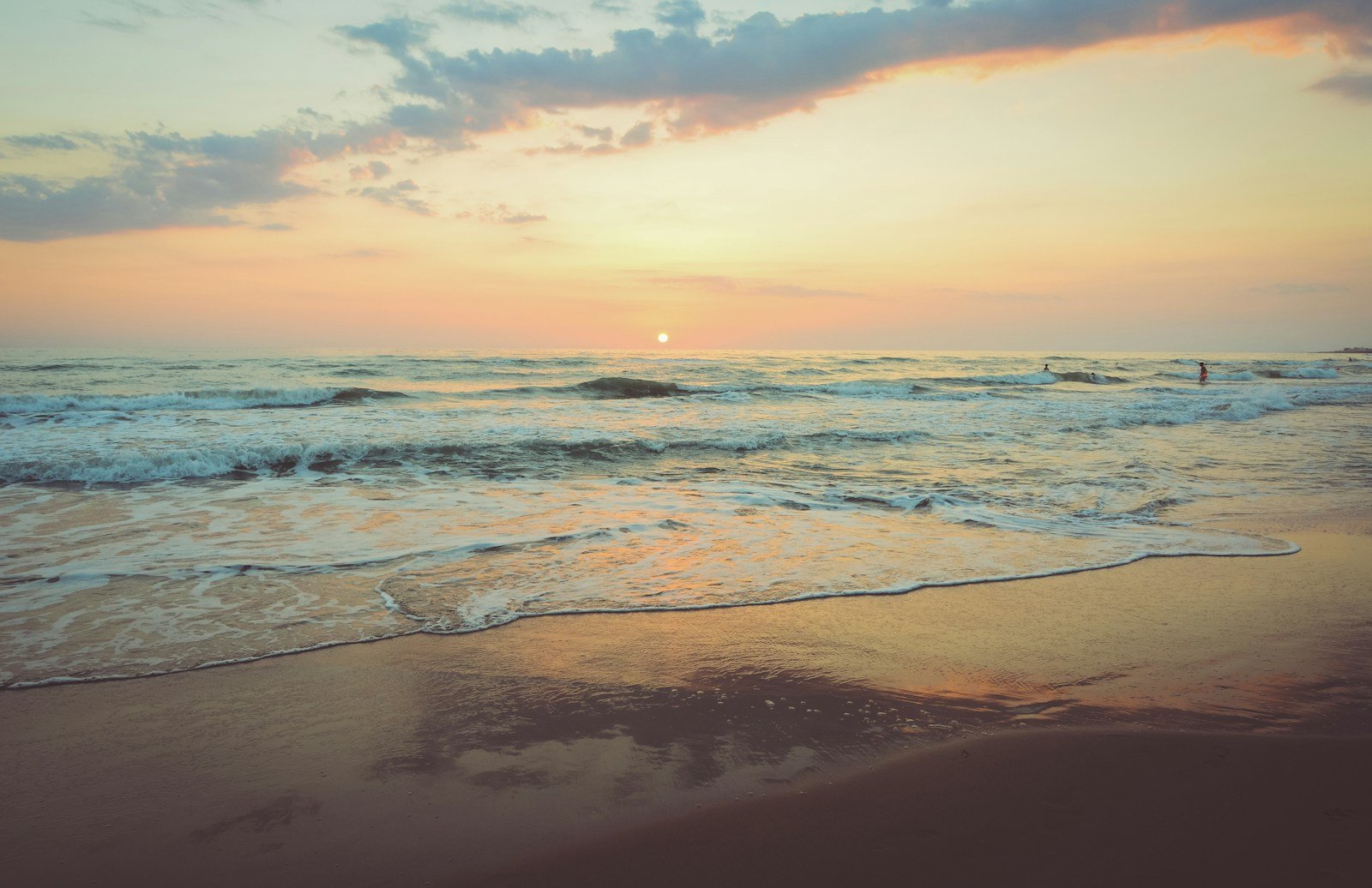
The shoreline offers a simple way to explore: follow the water, watch the light and stop when something catches your attention.
Bring only what you need for a comfortable walk. A light layer and a camera leave more room for enjoying the changing textures of sand and sea.
Instead of collecting destinations, collect moments. A quiet stretch of beach can become the most memorable part of a journey.
Let the shoreline set the pace
A coastal journey feels different when the route is shaped by the water. Begin with a modest stretch of shoreline and allow the landscape to provide the stops. A bend in the beach, a weathered harbour wall or a line of fishing boats can be more interesting than a famous viewpoint. Walk slowly enough to notice the sound of the waves and the way the colour changes farther from shore.
Build a journal of small details
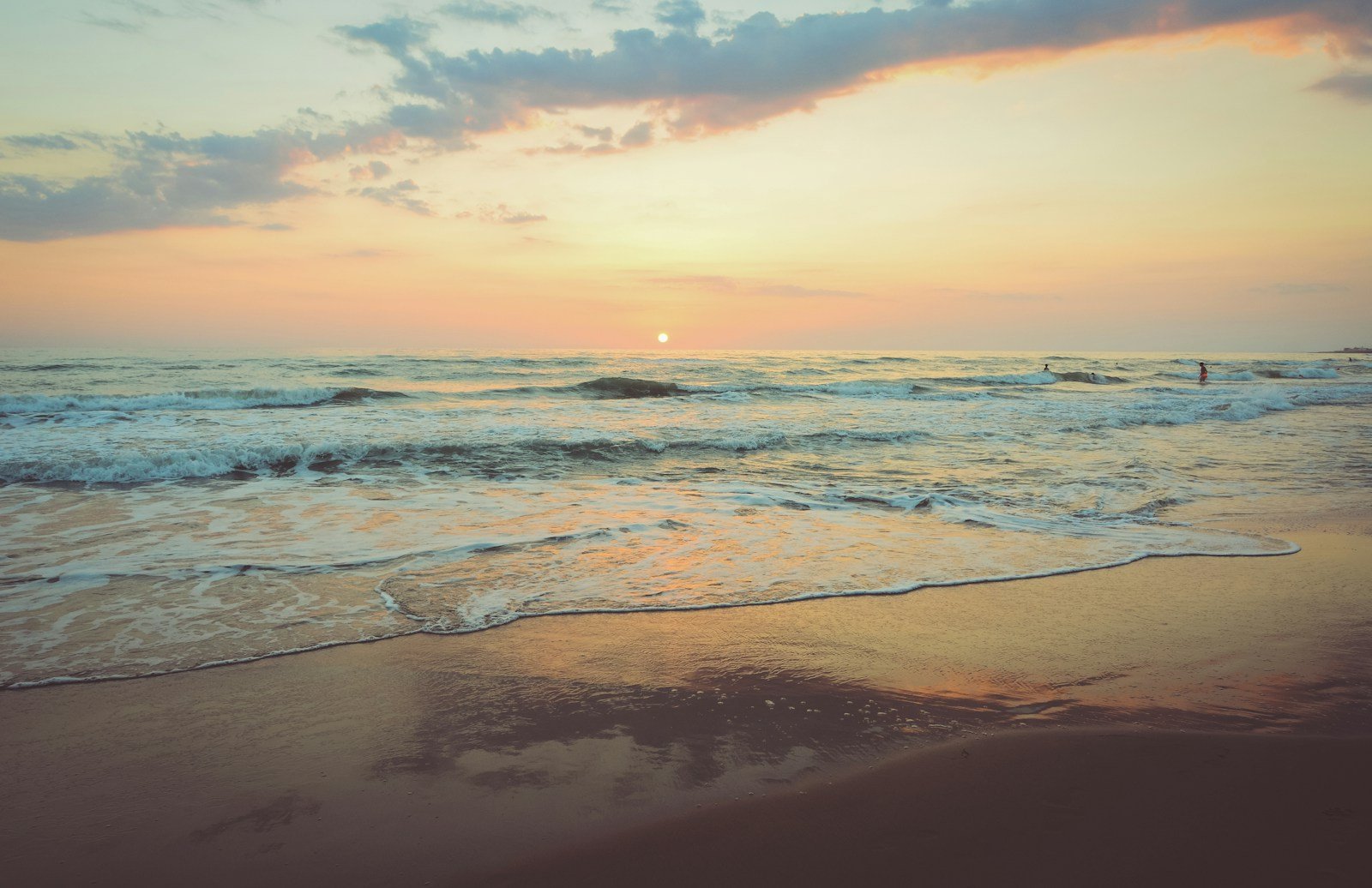
Photograph more than the horizon. Look for ropes, footprints, reflected windows and the textures left behind by the tide. These smaller scenes give a travel journal a sense of place. Pair a wide view with a close detail and a short note about what you noticed. You do not need a photograph of every stop. A handful of images with different distances often tells the journey more clearly.
Let the shoreline set the pace.
Plan a comfortable return
Leave time to return before you feel tired, and check local conditions before choosing your route. A café or a sheltered bench can become a welcome pause rather than an interruption. At the end of the day, choose the images that best express the atmosphere. Keep a quiet frame as well as a dramatic one. The most useful record is one that brings back the feeling of being there.